


Mycotoxin and aflatoxin: Why testing is critical for export-grade corn
Climate change is contributing to a sharp rise in mycotoxin contamination. Warmer, wetter conditions are creating more favourable environments for the moulds that produce aflatoxins, putting global grain supply chains at risk.
With the harvest season approaching, are you confident your crops are safe for human and animal consumption? If you’re exporting corn or rice, aflatoxin testing isn’t just best practice, it’s essential.
WHAT ARE AFLATOXINS?
Aflatoxins are a type of mycotoxin, toxic compounds produced by fungi such as Aspergillus flavus and Aspergillus parasiticus. These fungi thrive in warm, humid environments and can contaminate crops during growth, harvest, or storage.
Contamination is more likely when crops are stressed by drought, heat, or insect damage. Affected grains may show grey-green or yellow-green mould on the kernel surface.
Aflatoxins are:
- Highly toxic to animals
- Carcinogenic to humans and animals
- Persistent, remaining active through processing and storage
Even small quantities can pose serious health risks. For exporters, contamination can result in rejected shipments and significant financial losses.
WHAT FOODS ARE MOST LIKELY TO BE CONTAMINATED?
- Foods most susceptible to aflatoxin contamination include:
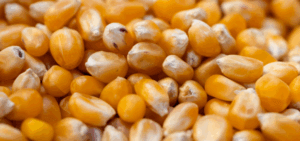
- Maize/corn and corn-based products
- Rice
- Groundnuts (peanuts)
- Tree nuts (e.g. almonds, pistachios)
- Cottonseed
- Spices and dried fruits
These are typically grown in warm, tropical regions where aflatoxin-producing fungi are more prevalent.
WHY IS AFLATOXIN TESTING SO IMPORTANT?
Protects health and safety
Aflatoxins are known carcinogens. Long-term exposure may lead to cancer, acute poisoning, immune suppression, and poor growth in animals.
Supports export compliance
Most countries enforce strict aflatoxin limits. Crops exceeding regulatory thresholds may be rejected at border controls, causing financial loss and damaging your reputation as a trusted supplier.
Helps maintain food chain integrity
Testing helps prevent contaminated grains from reaching consumers and ensures consistency in product quality and supply chain trust.
Enables early intervention
Because aflatoxins are unevenly distributed in bulk grain, representative sampling is essential. Testing allows you to isolate and manage contaminated lots early, reducing risk and ensuring safer storage.
The FDA provides guidelines for acceptable Aflatoxin levels, detailed below.
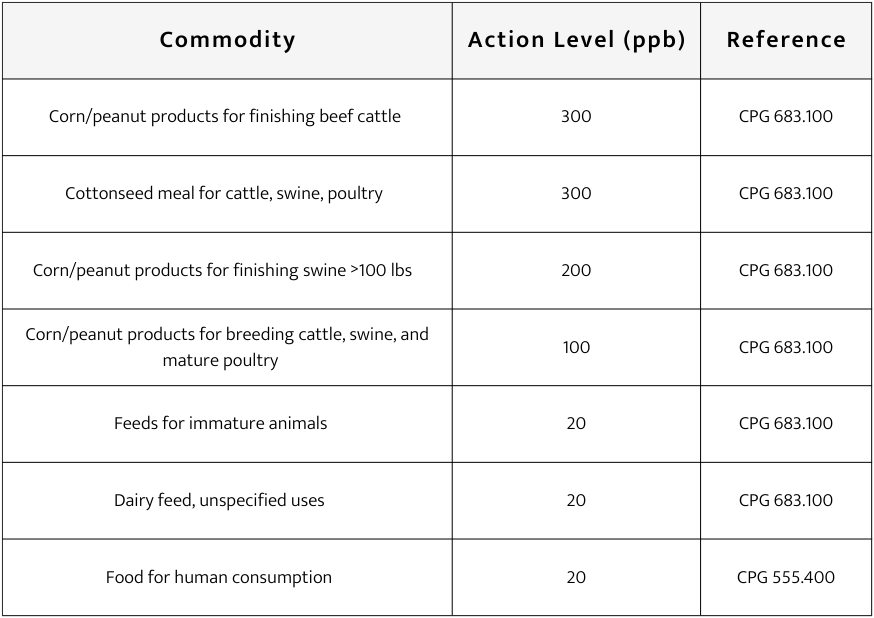
*These levels can only be determined by laboratory analysis
HOW CAN AFLATOXIN EXPOSURE BE MINIMISED?
Develop a proactive testing plan: Use representative sampling from multiple points in the load or bin.
Separate contaminated grain: Immediately isolate affected lots.
Improve storage conditions: Control temperature and moisture. Use aeration, and rotate stock to avoid mould growth.
MYCOTOXIN TESTING: HOW ALFRED H KNIGHT CAN HELP
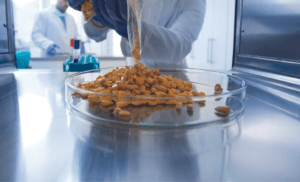
As a trusted leader in agricultural analysis, Alfred H Knight uses USDA-FGIS industry-approved testing methods to assess aflatoxin levels in grains and feed. We offer:
- Total aflatoxin testing
- Detailed quantification of Aflatoxins B1, B2, G1 and G2
- Fast turnaround times
- Tailored sampling services
- Expert support with results interpretation and compliance
Whether you’re a trader, processor, or producer, our testing solutions help safeguard your reputation and ensure your crops are market-ready.
Contact an AHK expert today to see how we can support your organisation.