


Cotton Quality Assurance: What To Check After Ginning To Maximise Value
According to an estimate by the Cotton Corporation of India, contamination and improper handling can reduce the value of cotton by up to 15-20%. Maximising the value of your crop doesn’t stop at the gin. The way baled cotton is handled, stored and verified can make or break your bottom line.
This guide outlines key baled cotton quality assurance checks for after ginning. From moisture and contamination control to traceability and pre-shipment inspection, these steps help preserve product integrity, protect against costly disputes, and ensure your cotton is ready for trade.
WHY COTTON POST-HARVEST QA MATTERS
1. Moisture control
If baled cotton is stored with excessive moisture, it can degrade fibre quality, promote mould, increase packaging damage risk, and lead to weight disputes during trade.
What to do:
- Ensure baled cotton is stored at an acceptable moisture level (between 6.5% and 8%) to maintain quality.
- Use moisture meters or testing services to assess bale levels.
- Avoid storing wet cotton or sealing it in non-breathable packaging.
2. Contamination checks
Contamination from foreign materials like plastic, other fibers and waste can cause problems during processing and textile manufacturing and drastically reduce the quality and value of your cotton.
As a producer, you may never see the direct claims resulting from contamination. However, the reputation of a growth for contamination can dramatically decline the premium mills are willing to pay for subsequent years’ production, and may even shut some growths out of premium markets.
In the short term, contaminated cotton may be rejected by mills and resold as distressed goods, often at a significant discount, which can damage both your margins and your reputation.
What to do:
- Visually inspect for plastic, twine, dust, or field debris.
- Use detection tools and trained inspectors where possible.
- Remove or isolate contaminated bales early.
- Ensure machinery, storage areas, and handling equipment are regularly cleaned to prevent foreign material contamination.
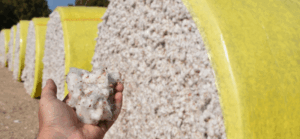
3. Sampling protocols
Accurate sampling is essential for reliable laboratory analysis and traceability. Inconsistent or incorrect sampling can lead to unreliable results, misgrading, and disputes with buyers.
What to do:
- Follow recognised sampling procedures at the gin or warehouse (e.g. ISO or USDA guidelines).
- Ensure samples are representative of the entire batch.
- Use independent professionals for origin or export-related sampling.
- Label and document each sample clearly to maintain traceability.
4. Ginning records and batch traceability
Maintaining accurate ginning records supports traceability, ensuring that buyers can verify the origin and treatment of your cotton.
What to do:
- Log ginning dates, bale numbers, and batch identifiers.
- Keep records securely stored and easily accessible.
- Link batch data to the processing location and, where required, to the field or source via documentation.
- Support traceability audits or buyer documentation requests.
5. Pre-shipment quality verification
Before cotton is exported or sold, it must be verified for weight, moisture, grade, and packaging integrity. Failing to do this increases the risk of rejection at the destination or contract disputes.
What to do:
- Confirm bale weights and labels match documentation.
- Assess moisture and grade against contract terms.
- Check packaging for damage or contamination.
- Use independent inspection to validate and certify findings.
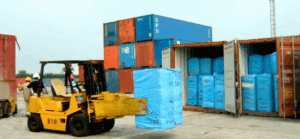
6. Storage conditions and monitoring
Improper storage of baled cotton can lead to deterioration in quality, even after a successful harvest and ginning process.
What to do:
- Store cotton in a dry, ventilated area away from contaminants.
- Monitor temperature and humidity regularly.
- Inspect stored bales periodically for mould, pests, or damage.
7. Third-party inspection and certification
Independent inspection services provide credible, unbiased verification that your cotton meets the required specifications. This adds confidence for buyers and helps secure better market access.
What to do:
- Book inspections after ginning or during pre-shipment stages.
- Choose certified, internationally recognised inspection bodies.
- Use reports to support trade documentation or resolve quality disputes.
- Consider combining inspection with lab testing for a full QA package.
SPEAK TO AN EXPERT ABOUT COTTON QUALITY ASSURANCE
Want to learn how independent inspection and analytical services can support your cotton quality assurance checks? Get in touch with Alfred H Knight’s cotton experts today.