


Biomass Contamination: What You Need to Know
The quality of recycled biomass fuels appears to be deteriorating. In 2024, around 2.8 million tonnes of waste wood were used in large-scale biomass energy in the UK, according to the Wood Recyclers’ Association, around 65% of all processed waste wood.
While this shift supports the circular economy and diverts over 4.3 million tonnes of material from landfill, it also introduces new challenges. Lower-grade biomass can carry contaminants that impact combustion performance, emissions, and equipment lifespan.
FIVE KEY ISSUES CAUSED BY CONTAMINATION IN BIOMASS FUELS
1. Increased Ash and Fouling
Dirt, minerals, and inorganic compounds in contaminated fuels can raise ash content significantly. This contributes to fouling and slagging, reduces heat transfer efficiency, and increases the frequency of boiler cleaning and ash disposal, particularly when ash is classified as hazardous.
2. Corrosion and Equipment Damage
Contaminants such as Chlorine or heavy metals can form corrosive compounds during combustion. These accelerate wear on boiler components, potentially leading to early equipment failure and unplanned maintenance.
3. Higher Emissions of Harmful Pollutants
Treated wood and other impurities may emit elevated levels of particulate matter, acidic gases, and heavy metals, including dioxins and furans. These emissions pose risks to regulatory compliance and air quality and may affect site reputation.
4. Reduced Efficiency and Power Output
Biomass contamination disrupts stable combustion and heat transfer, leading to poor conversion efficiency and reduced energy generation. This affects plant performance and return on investment.
5. Operational Instability and Increased Maintenance
Variable feedstock quality increases the difficulty of maintaining stable operations. Contamination-related issues place added strain on operational teams and maintenance cycles.
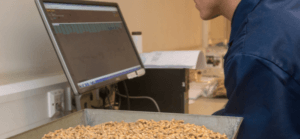
HOW TO DETECT AND CONTROL CONTAMINANTS IN BIOMASS FUEL
Early detection is essential. The best place to start is to monitor deliveries for typical warning signs, including:
- Visible contaminants like plastics, metal fragments or treated wood
- Fuel that produces more ash or causes more frequent boiler cleaning
- Unexpected corrosion or wear on in-feed or combustion system components
- Fluctuations in combustion stability or reduced heat output
- Shifts in emission monitoring data, including higher levels of SOx, NOx, or HCl
- Increasing use of pollution control chemicals for emissions
To stay ahead of these risks, it’s vital to combine representative sampling with consistent quality checks. This means using standardised sampling methods, conducting visual inspections at intake and in-feed points, and regularly testing for, amongst others, Chlorine, ash content, and heavy metals. Monitoring trends over time can help you pinpoint recurring issues and act before problems escalate.
These steps don’t just help you detect contaminants; they support smarter blending strategies, strengthen quality control protocols, and ultimately keep your operation running more smoothly.
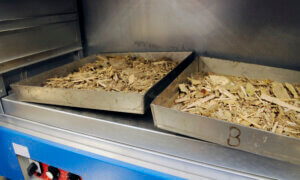
THE ROLE OF INSPECTION AND ANALYSIS IN PREVENTING DOWNTIME
Combustion systems operate within strict tolerances. When contaminants go unnoticed, the results can be costly: reduced efficiency, increased wear, and in some cases, complete shutdowns.
Routine inspection and analysis at critical points allow you to identify contamination early and respond appropriately. Regular analysis also gives you the data you need to manage supplier relationships and maintain confidence in your fuel supply.
BUILDING A RESILIENT QUALITY CONTROL STRATEGY to protect against Biomass contamination
At Alfred H Knight, we work with biomass operators to strengthen their quality control systems through sampling, testing, and fuel auditing.
Whether you are reviewing your processes or responding to recurring contamination issues, our support can help safeguard performance, reduce risk, and protect site assets over time. Visit our contact page and speak to an expert today to see how we can help your organisation.