


RDF Analysis: Helping Unlock the Power of Alternative Fuels
Why RDF Analysis Matters for EfW Operators and In-Feeders
With around 16.8 million tonnes of material processed by UK Energy-from-Waste (EfW) facilities each year, operators cannot rely on assumptions. RDF analysis, delivered by a trusted laboratory, plays a vital role in protecting EfW assets by helping prevent corrosion, slagging, and avoidable downtime.
By building an accurate and reliable profile of RDF and alternative fuels, producers and EfW operators can determine key quality parameters, including moisture content, calorific value, and chlorine levels. This ensures fuel is consistent and reliable rather than a “mystery mix,” supporting efficient and productive operations.
Connecting to Part One: Representative Sample Preparation
As explored in Part One, representative sample preparation is the foundation of reliable RDF analysis. In Part Two, we demonstrate how this preparation underpins accurate laboratory results.
Behind the Scenes: Powerday Visits AHK’s Dedicated Energy Services Laboratory
This summer, Powerday visited our state-of-the-art laboratory in Dundonald, Scotland. Our experts demonstrated each stage of the analysis process, showing how our quality-driven approach supports reliable waste analysis for clients’ operations.
1. Receiving the Sample
Once a representative sample has been prepared, it arrives at the laboratory. AHK’s analysts confirm the required tests before subsampling. A portion is allocated for metal analysis, while the remainder continues through the laboratory workflow. Proper handling at this stage ensures every sample reflects the wider waste stream.
2. Calorific Value: Measuring Energy Potential
Calorific value testing reveals the energy content of RDF, enabling confident decisions on fuel use. From an 820-litre bulk sample, just 0.76 grams are used. The sample is formed into a small pellet and ignited, with the released heat measured to determine energy potential.
Testing should follow internationally recognised standards, including BS ISO 1928, BS EN ISO 18125, BS EN 15400 and ASTM D5865.
3. Trace Metals Extraction: Preparing the Samples
Trace metals are extracted in a controlled fume hood using a combination of HF, nitric acid, and hydrogen peroxide. Microwave digestion transforms solids into a solution suitable for precise metals analysis. Understanding trace metals protects EfW infrastructure and ensures regulatory compliance.
Supporting Businesses with the UK ETS
The UK ETS (United Kingdom Emissions Trading Scheme) requires waste management companies to monitor and report emissions. Accurate RDF analysis provides the insight needed to comply with regulations from 2026 to 2028. Reliable lab data support regulatory compliance and proactive emissions management.
How AHK Supports Waste Operations With Expert RDF Analysis
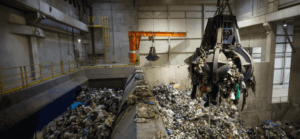
Through representative sampling and UKAS-accredited RDF analysis, Alfred H Knight helps waste operators build reliable analytical datasets for their alternative fuels.
During the visit, Powerday saw how robust sample preparation and laboratory workflows translate into trustworthy results. Tailored sampling plans, consistent handling, and clear laboratory processes provide a strong foundation for accurate RDF analysis and improved operational insight across MRFs.
Sector-wide benefits:
- Confidence in RDF quality backed by representative data
- Stronger evidence for customers and regulators
- A clearer understanding of process performance and material flows
- Customer assurance supported by transparent, verifiable results
- Compliance aligned with current ISO/CEN standards
Partner With an Expert in RDF Analysis
If you’re looking for expert support for your waste, recycling, or MRF operation, get in touch via our contact page to see how our team can help.
Powerday’s Commitment to Reliable RDF Quality
 As a family-owned waste management company, Powerday is committed to reducing the UK’s environmental impact through sustainable waste solutions. Processing thousands of tonnes of material every week across their Material Recovery Facilities (MRFs), they handle diverse and rapidly changing waste streams.
To maintain reliable RDF quality, Powerday requires samples that accurately represent its material flows. This supports confident decision-making, validates composition data, and helps demonstrate compliance with regulatory standards.
Alfred H Knight supports Powerday with this through specialist sample preparation services.